PART 1 — The Man Who Left the Conventional Life
• Peter, you came to India in 1998 for what was essentially a professional assignment. What was it about India that made you stay?
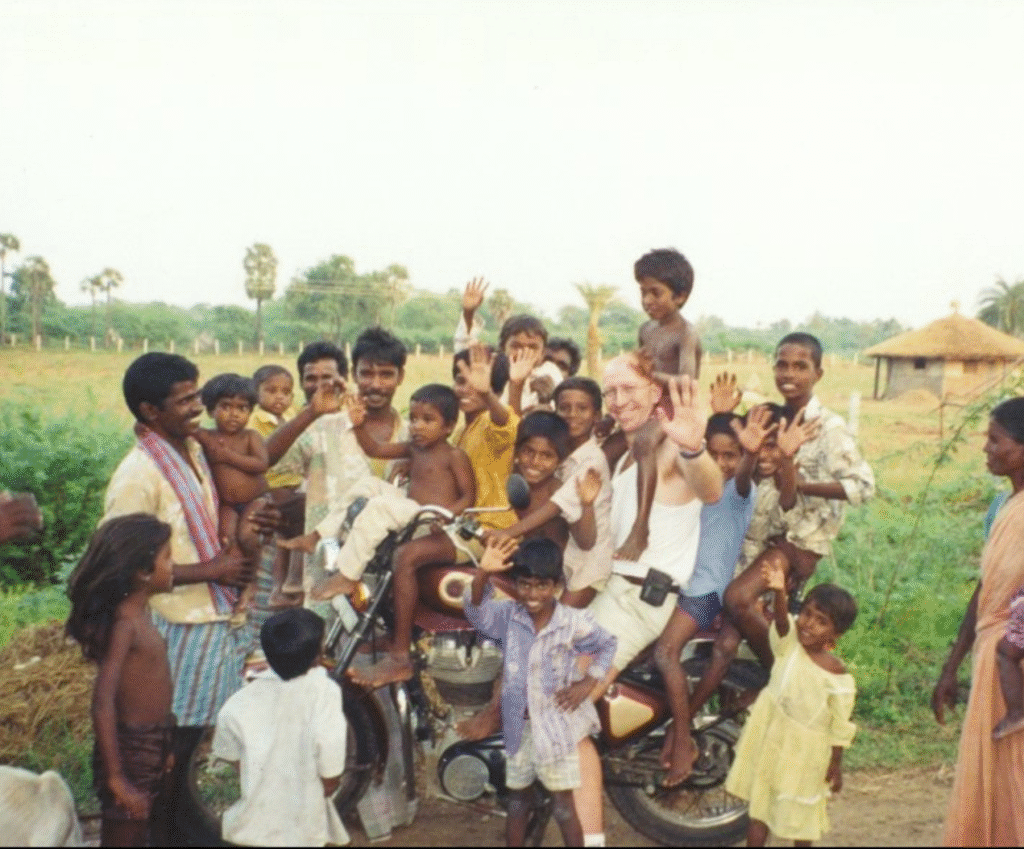
My manager sent me to India in 1997 to recruit a bunch of software engineers and guide them for a year after which I would return to Belgium. I was still living at home with my parents and had seen very little of the world. I had hard working parents (who experienced the hardship of World War II) who told me to study hard and get a good job. I grew up on a small farm in natural surroundings and loved the outdoors – local soccer team, skating frozen rivers, climbing trees, swimming in lake, running through farmlands, etc. That beautiful childhood playing in the outdoors transitioning into a dedicated maths and computer wizz kid which got me a job into a multi-national that sent me to India.
I immediately fell in love with the natural beauty of India. Got myself an Enfield lightning 535cc and started riding the roads less travelled. I got myself German topographic maps and started exploring the mountains on wheels. Weekdays behind the computer screen with young energetic Indian engineers, weekdays were for myself riding on my bike into the sunset exploring unseen horizons. The outskirts of Chennai, the Western Ghats and very soon the remote Himalayas. India felt like the place where I belonged.
• At what point did India stop being a place where you worked and started becoming your home?
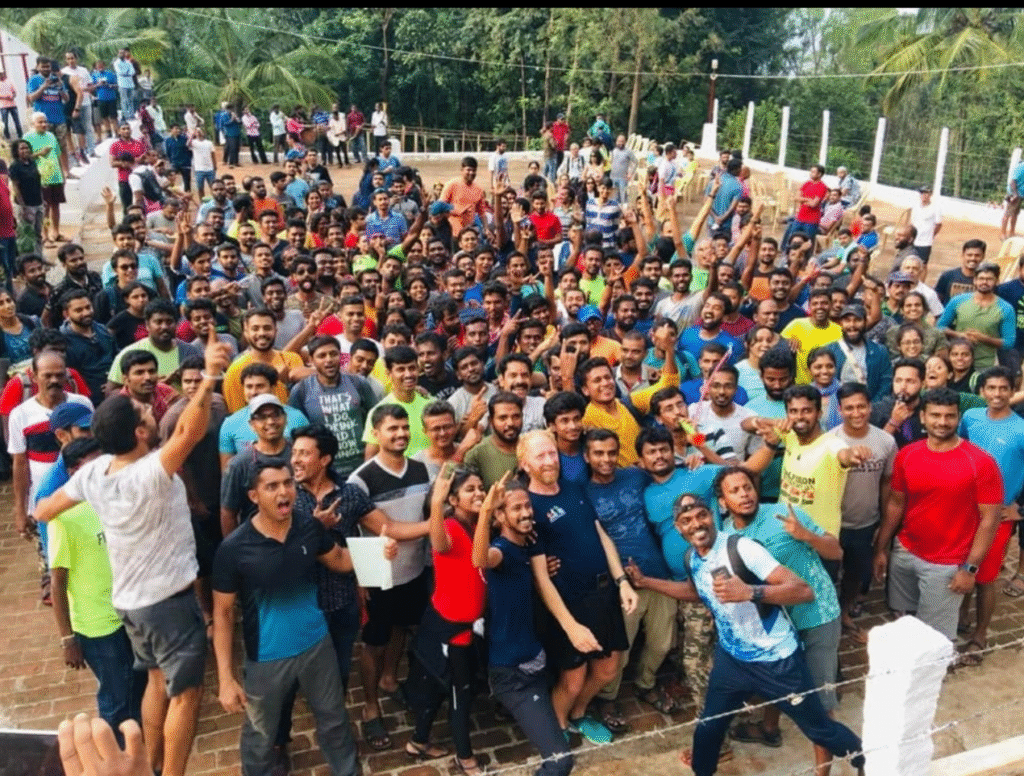
The more I traveled in India the more I got addicted to it. The beautiful and diverse nature of this continent – western ghats, beaches of Goa, deserts of Rajasthan, Himalayan foothills, the alpine desert of Ladakh and Spiti, it was so overwhelming and immersive. In 2008 I started exploring the jungles of South India on foot and created the Chennai Trekking Club reaching out to like minded adventure outdoor souls. This non profit volunteer based community soon exploded into a movement active in many sports, environmental and social activities that changed society in the South. We started organizing major sports events (Triathlons, Ultra runs, Coastal Cleanups) with thousands of participants and hundreds of volunteers. Chennai / India had become my home.
• You spent around two decades in the corporate world before leaving it in 2017. What finally made you say, “I don’t want to live this life anymore”? • Was leaving the corporate world a moment of courage, frustration, or simply realizing that you wanted something completely different from life? • Most people dream about leaving their jobs and travelling, but very few actually do it. What do you think stops them?
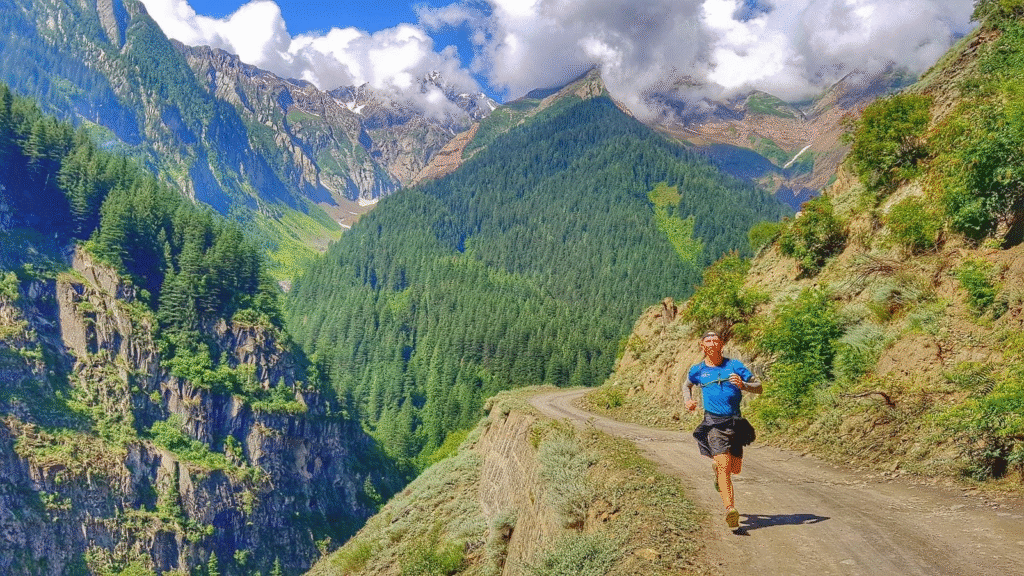
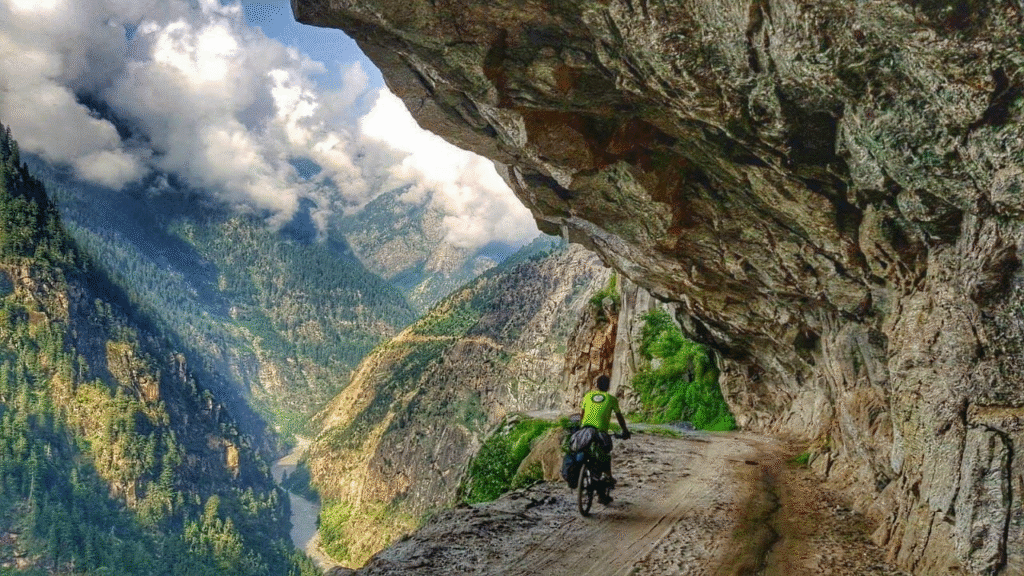
In 2015-17 I started running hundreds of kilometers across the Himalayas. This raw primal way of traveling (life) through these majestic mountains in a very minimalist way – sleeping beneath the stars, eating in remote villages, running sunrise till sunset, bathing in waterfalls, beautiful human encounters, the thrill of the unknown ahead was very intense and immersed in untouched natural beauty. Each year it became harder to return back to concrete cities, my 5x5ft cubicle, mind killing routine life, corporate politics. After spending 2 decades in a cubicle I suddenly felt profound fear to sacrifice another 2-3 decades of my life to work while this short, beautiful life was slipping away. Comfort of city life, making money, material wealth are very addictive and make us scared to step away. In 2017 I decided to quit my well paying job, rent out my house (read: become homeless) and switch to a minimalist lifestyle in the mountains. This led to my month-long solo ultra journeys to the remotest corners of the Himalayas, a kind of inner journey to reconnect with nature.
PART 2 — What Is A “Good Life”?
• We are constantly told that a successful life means a good education, a good job, a house, financial security and eventually retirement. You walked away from that model. Do you think we have misunderstood what a successful life actually means?
Parents who have gone through hardship, built a life from scratch, worked very hard want the best for their kids. They tell them to study hard, become an engineer, build a career, get kids and repeat the cycle. So far so good. The problem is that no matter how much money we make, how much materialistic wealth we acquire, it’s never enough. Life becomes an endless pursuit of making more money. Meanwhile we grow old and life slowly slips away. We surround ourselves with materialistic things, compete with others, societal status becomes more important than inner happiness. We finally grow old collecting things instead of memories.
• When did you realize that having more wasn’t necessarily making you happier?
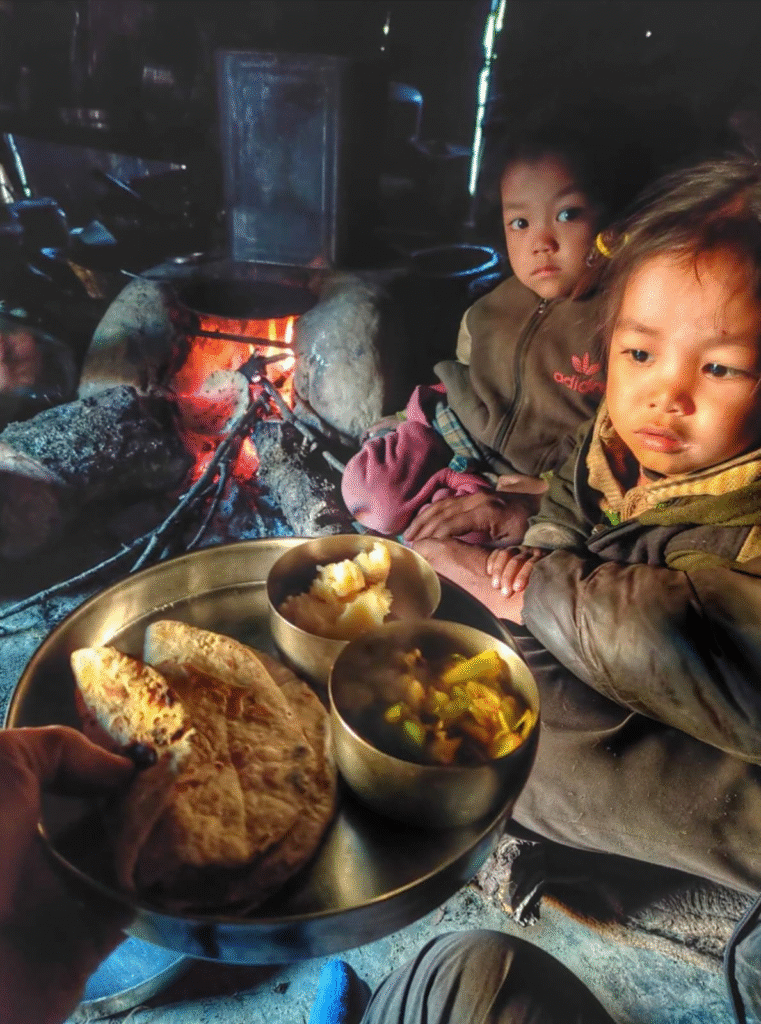
I felt more alive and free walking with a small rucksack in the Himalayas with my tent, one pair of clothes and just enough food to make it to the next village than sitting in my beach side house, driving with an SUV, eating in fancy restaurants. Surrounding ourselves with materialistic comforts makes us worry more, lazier, less happy and less healthy. Comfort kills. Walking for months in the mountains, drinking natural water from the glaciers, breathing fresh oxygen, sleeping beneath the stars made me feel much more alive. Experiencing true hospitality with mountain tribes and remote villages which have very little materialistic wealth but seemed much happier than those in the big cities running behind money and competing all the time.
• You describe yourself as a minimalist. What does minimalism actually mean to you beyond simply owning fewer things?
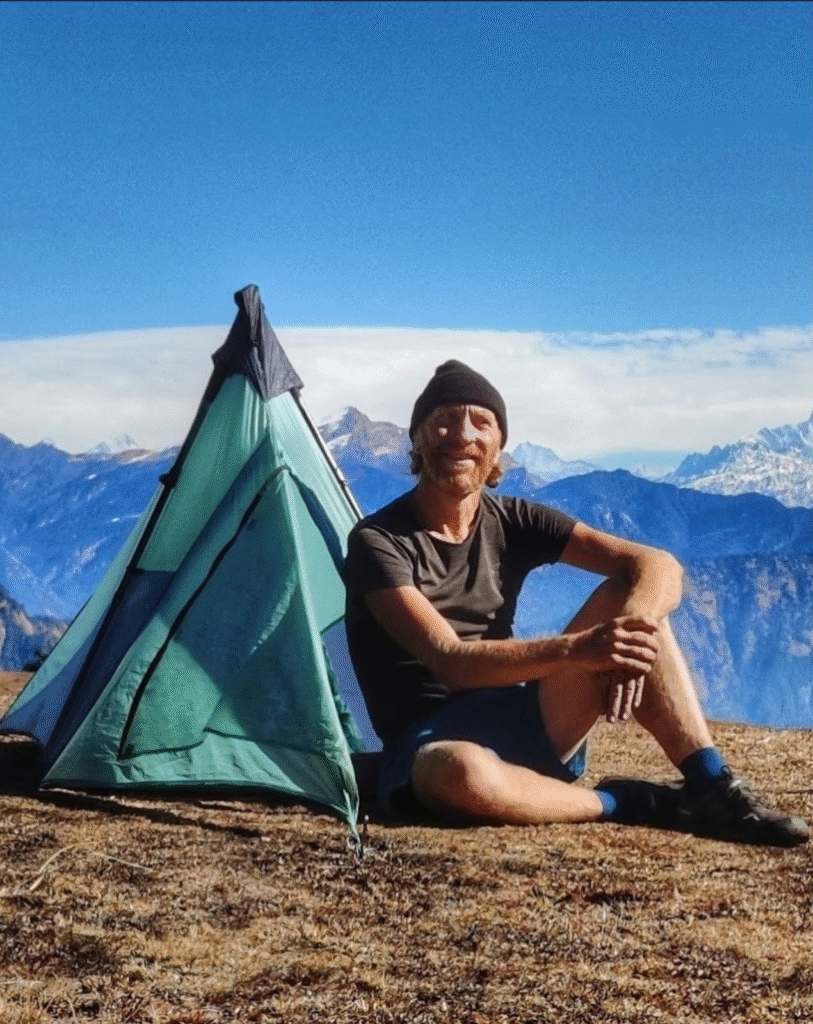
Minimalist means a simpler lifestyle with less materialistic things to worry about. I hike solo in the himalayas for months over thousands of kms with a small 4kg backpack with a simple night shelter, some food and a map to reach the next village. In the city we make money and then spend most of it on housing, transportation, clothing, food, entertainment. Once you move to the mountains you walk with your legs, eat two simple meals a day, sleep in your tent and no one wants your money. Since I quit my job in 2017 I’ve become a homeless nomad, moving along with the seasons, hiking, cycle touring, running, diving, … always living, eating and sleeping on the trail. The world is my home. The mountains are my religion. The stars are my bedroom ceiling.
PART 3 — Why Do Humans Need Nature?
• You have spent enormous amounts of time alone in the mountains. What does prolonged solitude teach you that society cannot?
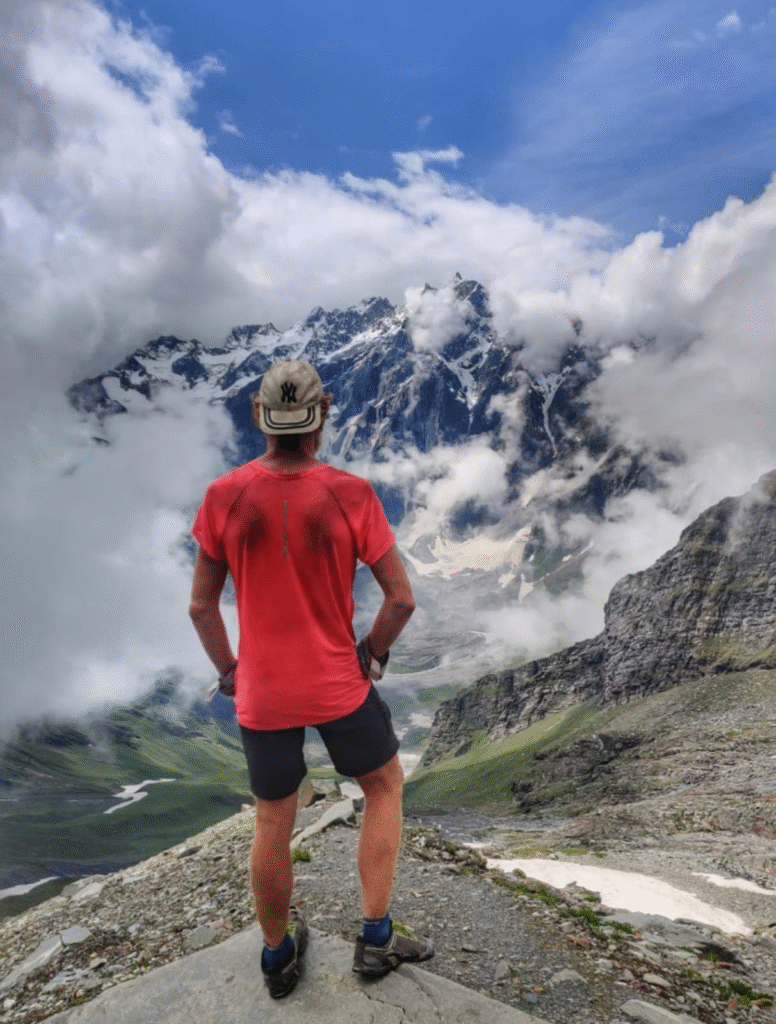
Disconnecting from the chaos of modern society, walking for months in remote corners of the Himalayas with no one around for days, witnessing unseen natural beauty, experiencing warm hospitality of nomadic tribes, hearing nothing but the wind on top of the mountain pass, feeling a deep connection with the milky way glowing in the deep dark night above your campsite, the warm glow of the campfire in the cold night, the sound of nocturnal wildlife, immersing yourself deep into nature is like detoxing mind, body and soul. You experience a sense of inner peacefulness in the remoteness, detox your body walking long traverses, blank your mind far way from human noise, learn to survive as mother nature throws unexpected challenges to you. You acquire basic skills like finding your own path in the wilderness.
• Is loneliness and solitude the same thing?
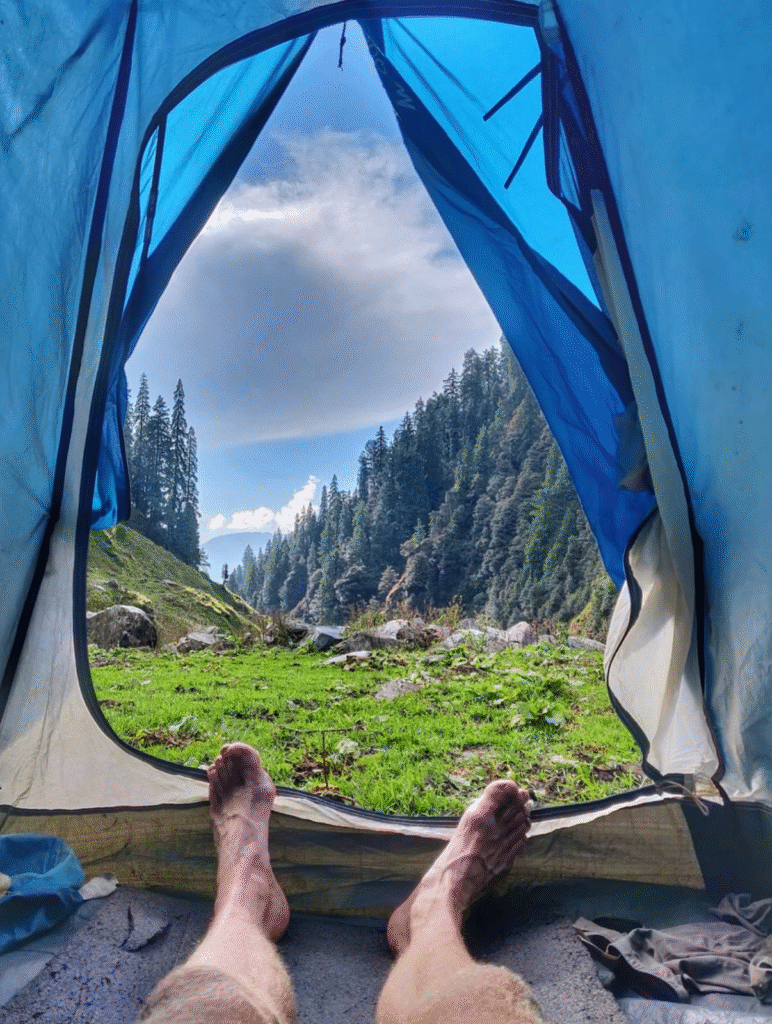
Traveling solo in the mountains is more immersive than with a group of people. You are surrounded by insects, birds, wildlife, shepherds, the sound of the streams, your mind is constantly engaged by natural beauty, nomadic encounters, and focus on finding the way and overcoming unexpected challenges. Reading your map, planning your next food stop, finding a suitable campsite, finding water. You are constantly engaged and never feel bored or sad alone which would otherwise lead to loneliness.
• Have you ever experienced a moment in the mountains where you genuinely felt afraid for your life? What happened?
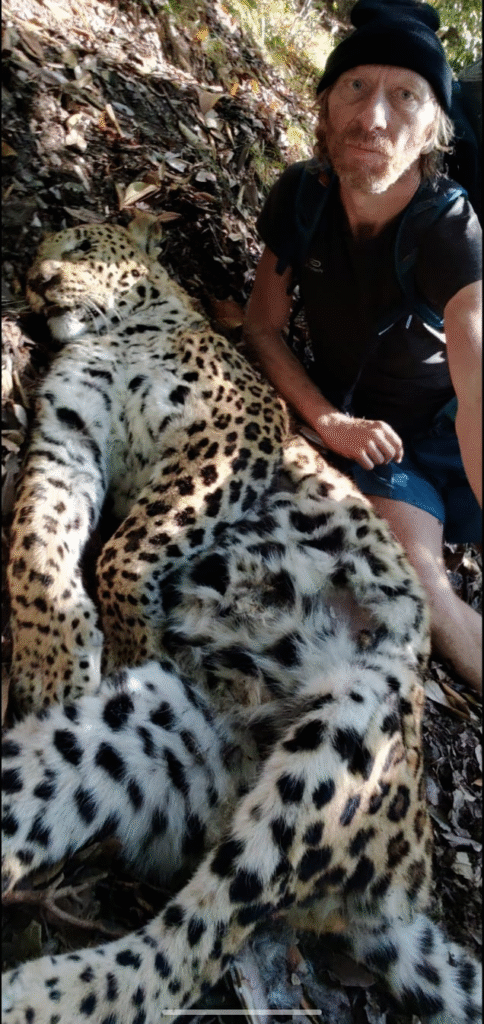
There is no lack of unexpected challenges that other nature throws at you. Some are small, others can be life threatening. Losing the way and getting stuck on a steep cliff, bad weather at high altitude, crossing a raging mountain stream, close wildlife encounters, etc. I have walked for thousands of kilometers through remote places encountering numerous challenges on the way. Each time nature throws a test at you, you learn and gain experience, become mentally stronger and more confident to face the next. This constant growth combined with a sense of inner peacefulness in these remote places makes you feel calm and relaxed. Fear only strikes when you miscalculate a challenge and go on thin ice. In my experience that would typically be losing track, going off trail and getting stuck on some very steep sections seeing the valley flower hundreds of meters below you.
PART 4 — The Himalayas Nobody Sees
• Most Indians experience the Himalayas through tourist destinations. You’ve travelled through thousands of kilometres of remote terrain. What does the Himalaya look like beyond tourism?
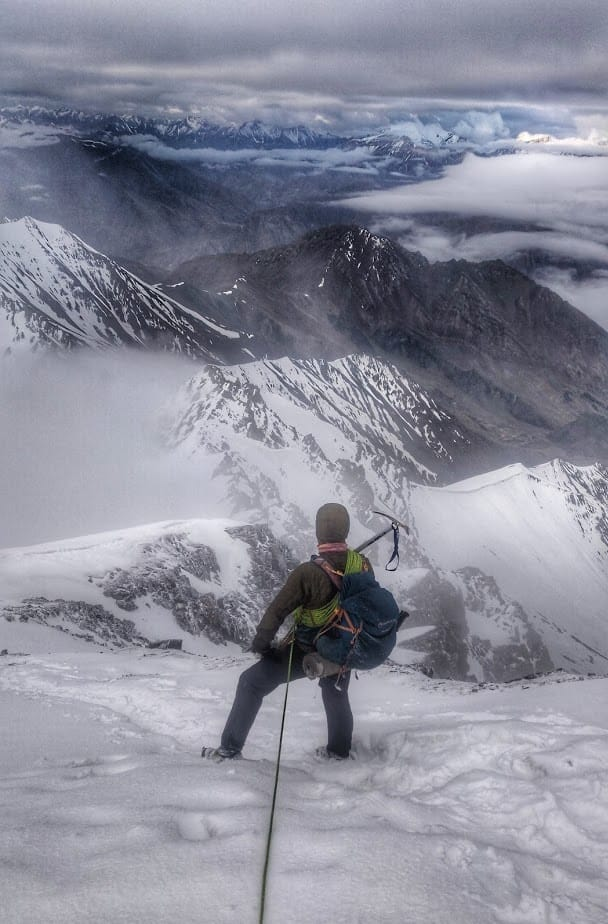
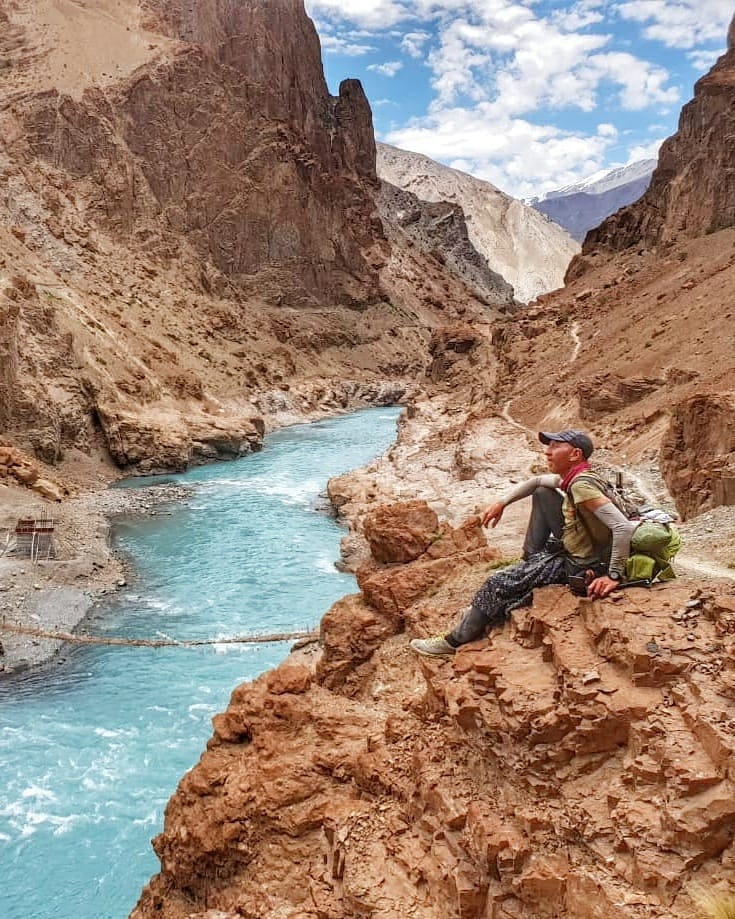
Indian mountain tourism is about sitting in a taxi in a long traffic jam between the hotel and a sightseeing point. I see tens of thousands of tourists in Manali being dropped everywhere in vehicles to each crowded, polluted tourist spot, no one wants to walk on a pristine trail in a serene pine forest. Even commercial campsites tend to look more like music festivals. The Himalaya beyond tourism is a totally different world – one of peacefulness, warm hospitality by the local people, untouched natural beauty, one where you can experience solitude and feel more immersed with your natural surroundings not distracted by the everyday noise. More untouched places (Zanskar, Ladakh) are getting more exposed by roads losing their original remote charm. Still there are many remote mountain ranges deep inside which are stunning and completely out of reach by the average tourist as you would need to walk for days across challenging terrain to reach the same.
• During your journeys you’ve lived with shepherds and remote mountain communities. What have these communities taught you that modern urban society has forgotten?
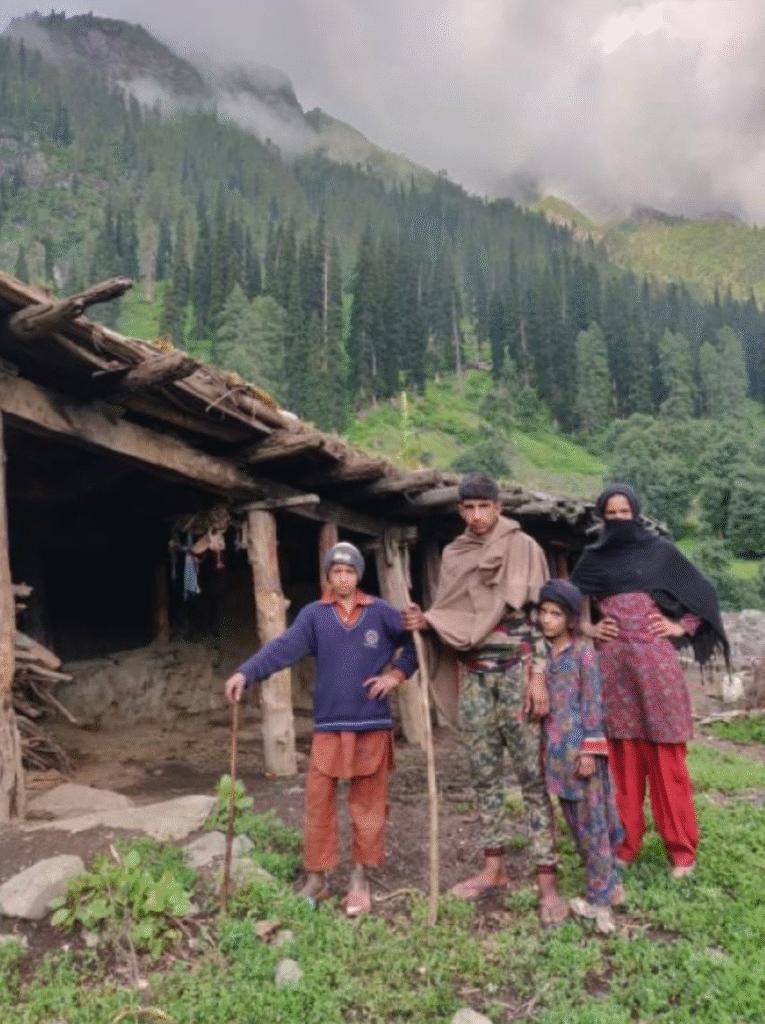
Nomadic tribes and remote mountain villages are the opposite from our modern day mega cities. They are self-sustained (food, shelter, clothing), no dependencies on the other world, they are communities who take care of each other, people are kind and welcoming, very helpful to outsiders and live pretty much in harmony with their surroundings for generations. In our big cities we are all individuals competing with each other running behind money, envy, greed, jealousy… never happy and living in extremely unhealthy (physically and mentally) conditions. Small self sustained communities are much more sustainable for our planet then ever growing, ever polluting, ever consuming metros.
• You often talk about experiencing “lost humanity.” What exactly do you mean by that?
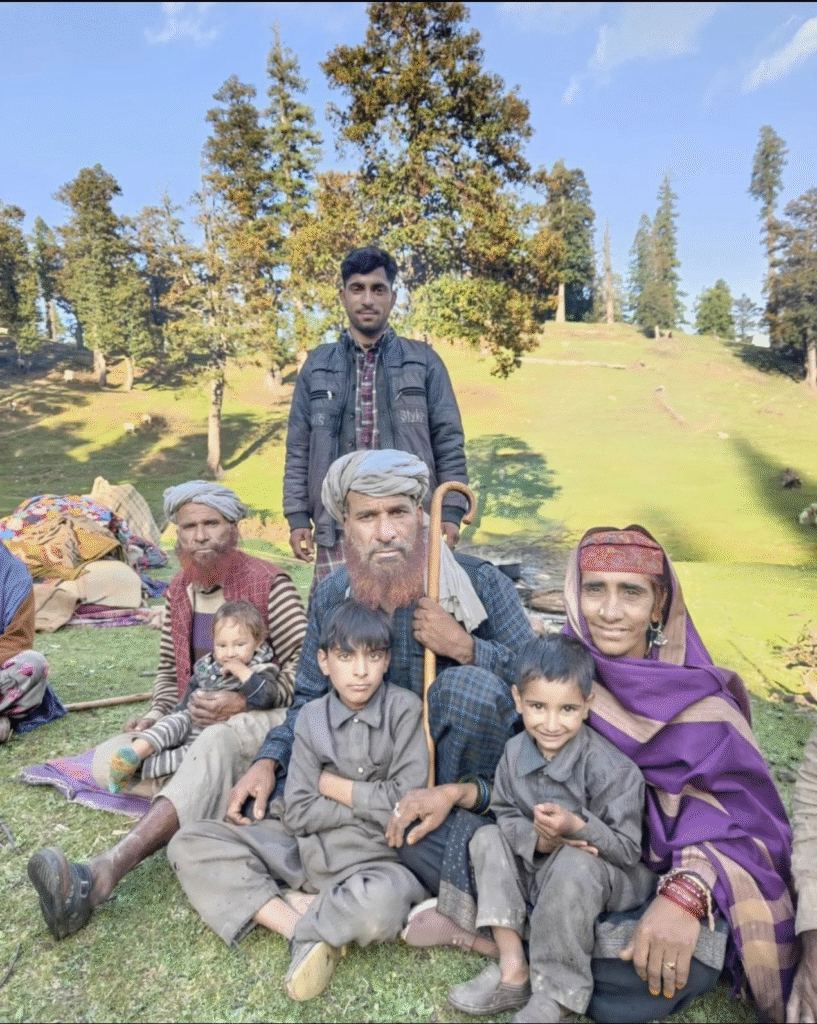
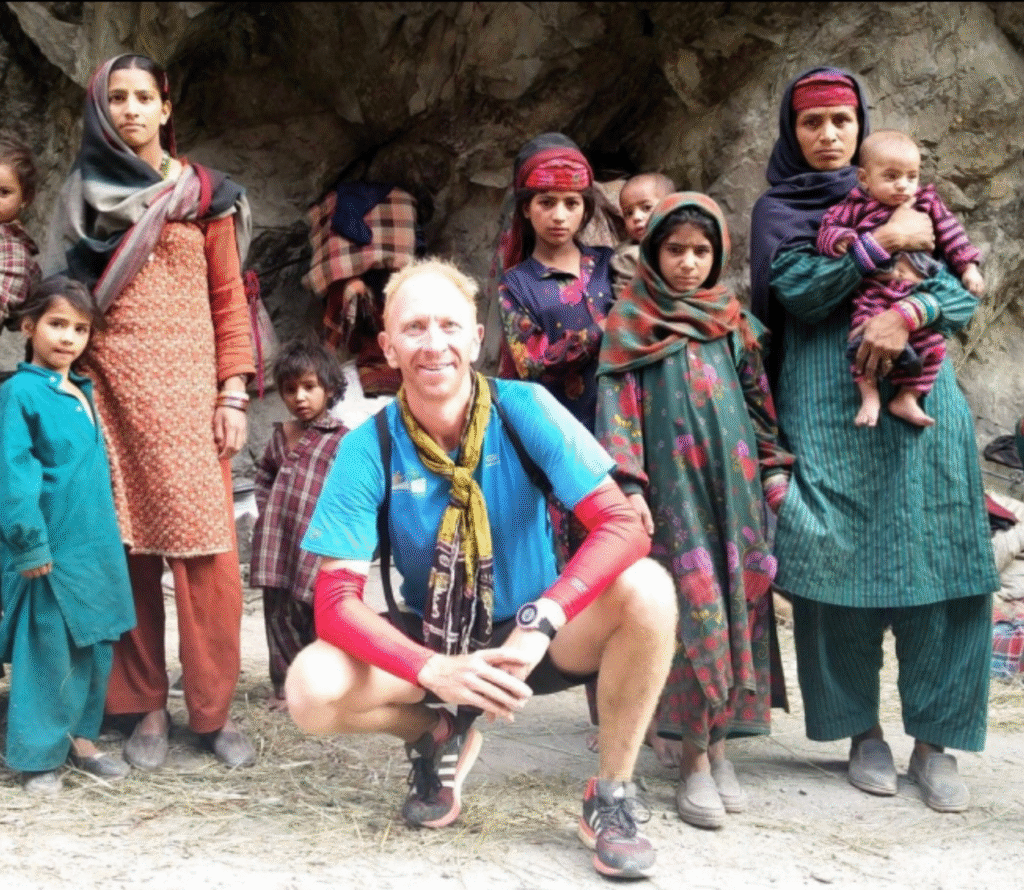
The people you meet in remote corners of the Himalayas are kind and welcoming to strangers, something we do not see in our cities anymore. Same in Europe during my thousand kilometer long cycle journeys. We don’t even know our neighbours. Mountain people have little materialistic wealth but have a very big heart – they share what little they have with a stranger. Their soul is not polluted by greed, money and power. They just live in nature, growing their own food, helping each other, and are able to survive by themselves. Take a person out of his comfort zone of the city in the wilderness and he will be lost, unable to fend for himself. As soon as the government builds another road to a remote village connecting them to bigger cities you can see the culture / behavior of people changing.
• Has travelling through remote India changed the way you see Indians themselves?
I was born and lived 27 years in Belgium. I have lived the next 27 years in India. I traveled through quite a few countries. I don’t see people as Belgians or Indians or whatever nationality . I am colorblind to someone’s skin tone. I do see a difference between people living in cities and those living in the mountains. I see a difference between people living in the same place their entire life and those who travel the world living in different cultures and widening their mind. I feel more connected to people running or cycling a thousand kilometers alongside me than those whom I have worked with in office over decades. I do see a stark contrast between wealthy, individualistic Europe and the remote mountain people who own little but are so much happier and warmer. I experienced this while running, hiking and cycling in the mountains in India, Vietnam and Nepal.
PART 5 — The Physical Limits of a Human Being
• You’ve run or fast-hiked thousands of kilometres, crossed hundreds of passes and spent weeks in extreme environments. Where does the human body’s limit actually lie?
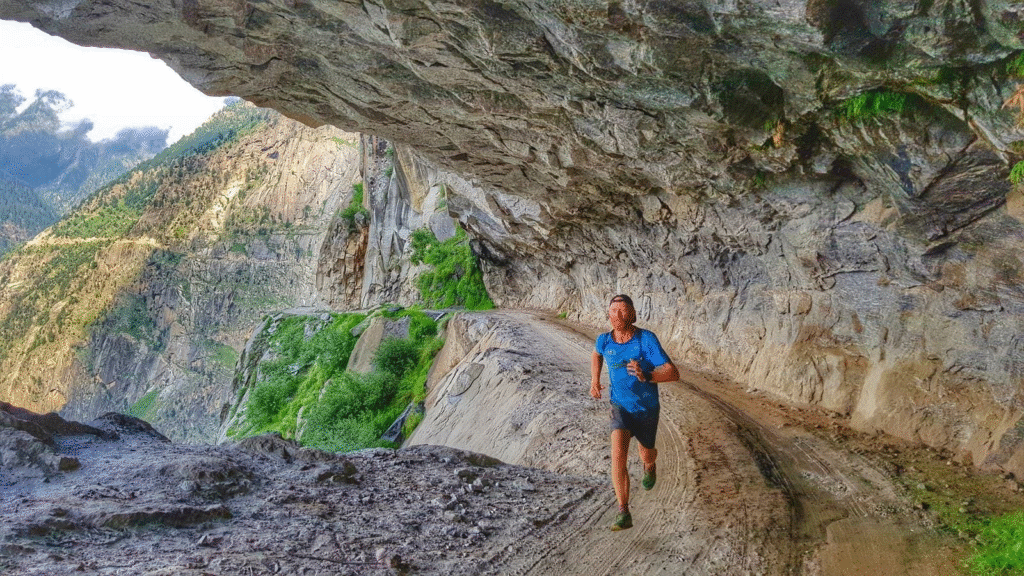
Everyone can run or hike thousands of kilometers through the Himalayas. Our body is built to run, built for endurance. Our ancestors used to run behind their prey. It’s just our modern day lifestyle is slowly killing ourselves – lack of physical activity, junk food and polluted environment. Uber, Zomato are making us lazy. We pursue materialism which usually means comfort and we lose ourselves in the process. Just escape to the mountains for a couple of days and after some initial suffering your body will soon fall into place covering 20-30km each day across high passes. The only thing you need is the skill to find your way in the wilderness which you can learn through my website ultrajourneys.org. All you need is two things: consistency and patience. Engage in some physical activity (walking, cycling, sports…) 3-4 times a week, break the sweat, raise your heart beat. And maintain this for a couple of months. You will soon be running marathons instead of being a coach potato.
• Have you ever reached a point where you genuinely wanted to give up? • What is stronger during your journeys—the body or the mind? And why? • What has been the physically hardest journey you’ve undertaken, and what made it so difficult?
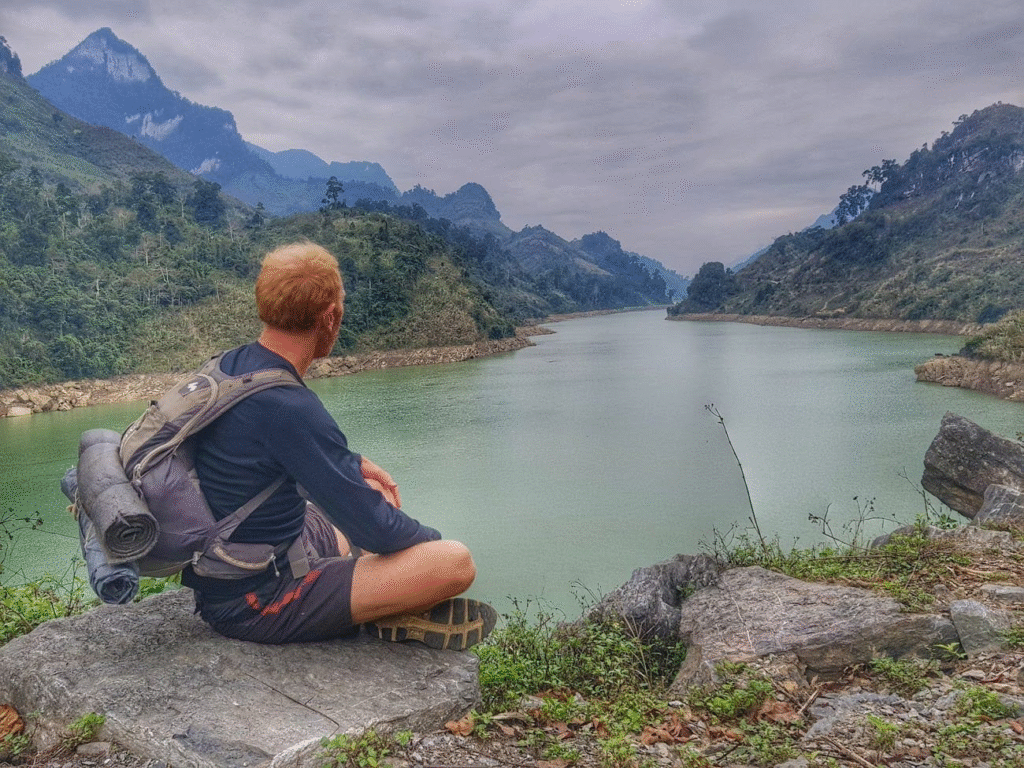
The initial phase is physical – strengthening your legs, increasing your stamina. Once you run a marathon it becomes a mind thing. Your mind will tell you to stop when it feels tired or exhausted or bored. If you can focus your mind then there are no limits. You will start running ultra marathons or even run 2000km across Vietnam. That’s where mother nature comes in – it will be very tough mentally to run 10km loops inside a concrete city. However it is easy to run a 100 miler in mountain trails amidst beautiful nature. The beauty and diversity of your natural environment will keep the mind enticed, excited and it will no longer tell you to stop. The same with hiking thousands of kilometers across months in the Himalayas. You never get bored, there is always a surprise waiting around the next corner. The journey can get hard if you try running too fast. Do not run for time or pace or your followers. Instead run comfortably for yourself enjoying the journey.
PART 6 — Mapping the Unknown
• During the COVID lockdown, you and a group of volunteers began digitally mapping the Western Himalayas. Why did mapping become so important to you?
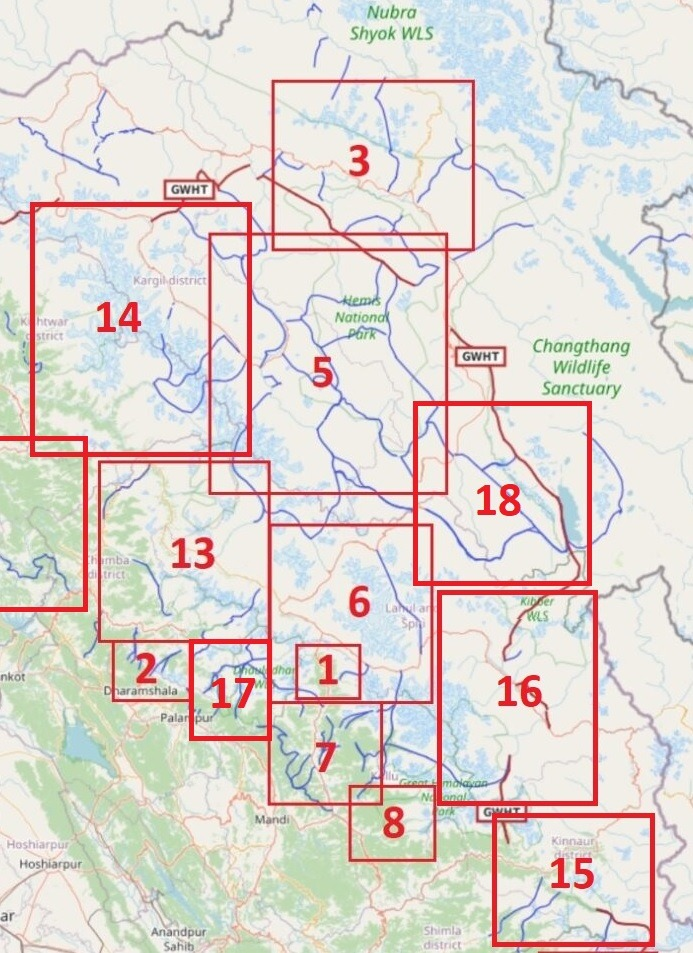
I have always enjoyed documenting whatever I am passionate about. Before you head out to the Himalayas on a months long journey you need to carefully plan the route. You need to study the terrain, mountain passes you will be crossing, weather and seasons, the geography of the mountains, your next food supply point, potential campsites, etc. A successful journey depends on a good plan. When we could not get out during Covid we started mapping the Himalayas in detail – 2000 mountain passes, 14 thousand kilometers of trails, 40 thousand villages, etc. Basically creating a digital footprint for independent hikers to plan their next Himalayan traverse. As a maths and computer wizz kid in college it was super interesting to use GIS (Geographic Information Systems), DEM (topographic satellite data) and start modelling the Himalayas for explorers.
• You discovered thousands of trails, passes, villages and routes that aren’t part of mainstream tourism. How much of the Himalayas do you think remains unknown to the average Indian?
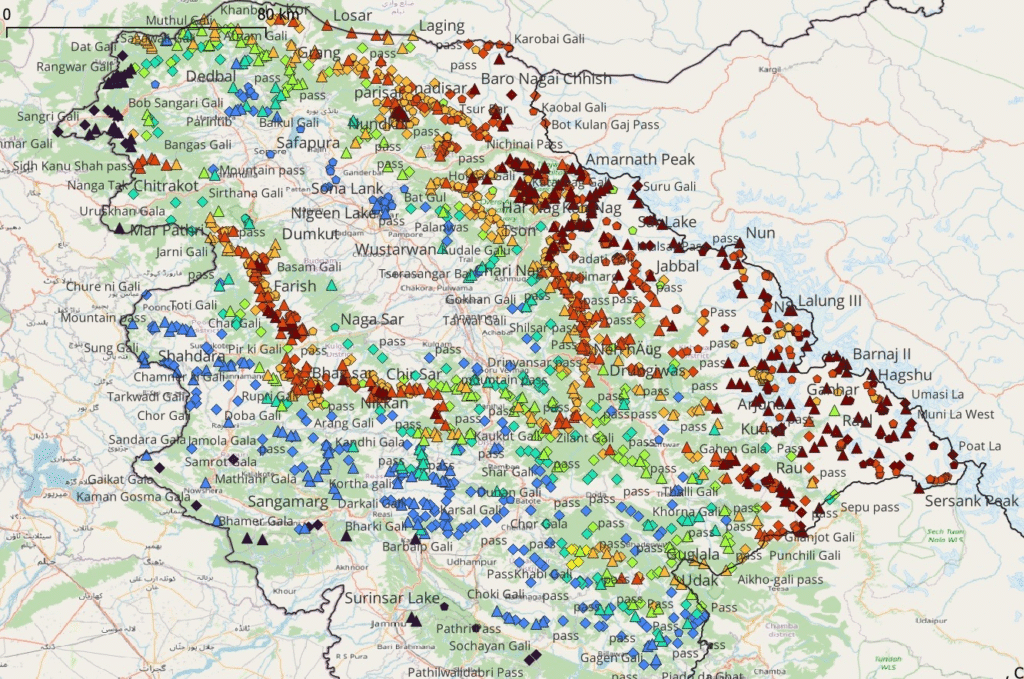
The Himalayas are huge. The Western Indian Himalayas amount to 2000 square kilometers, tens of thousands of (largely unexplored) valleys, 40 thousand remote settlements, thousands of mountain passes, glaciers, peaks, alpine lakes, 60 thousand kilometers of mountain trails. The average Indian tourist goes to 5 tourist locations – Manali, Shimla, Dharamsala, Leh, Rishikesh. The average Indian hiker joins a commercial hiking group to 15 well known hiking destinations. The independent explorer goes to any of those 2000 passes and 40 thousand villages connected by 60 thousand kms of trails. Most people are scared to venture out into the unknown due to various reasons – losing their way, camping alone at night, wildlife, etc. I run a one week field course in Manali which teaches people map reading & navigation, planning traverses as per seasons and weather and many other things that allow them to explore confidently and safely.
• You’ve written about centuries-old heritage paths disappearing because of new road construction. How should India balance development with preservation of its mountain heritage?
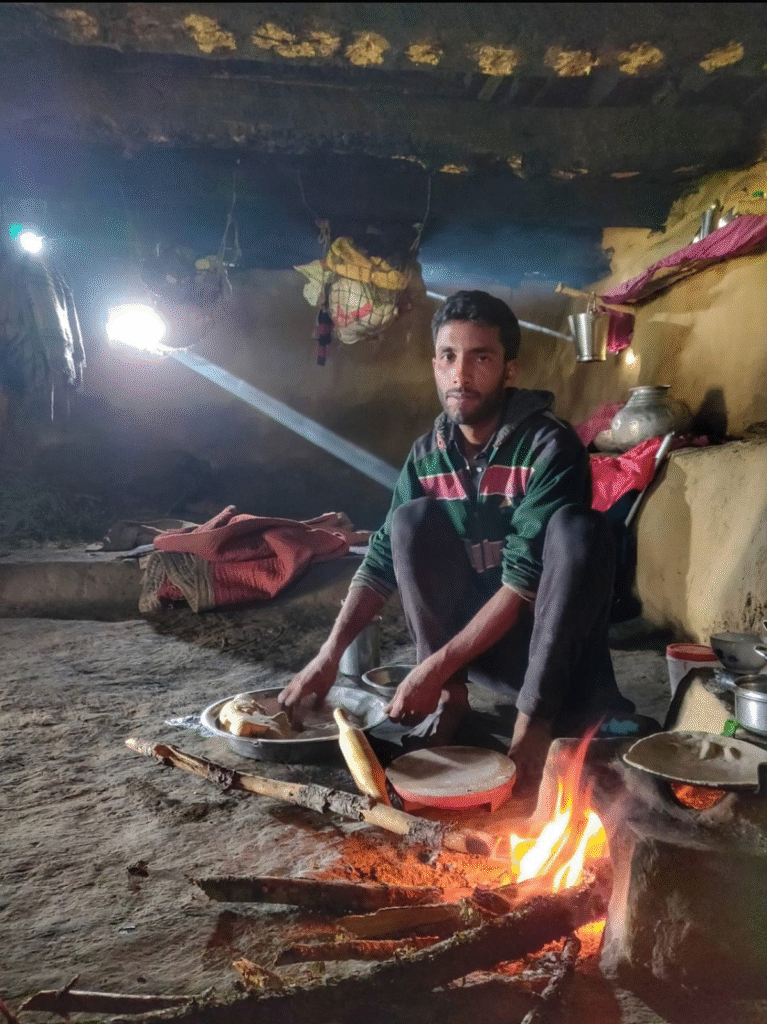
Even when I was exploring 3000km of lesser known trails in Uttarakhand in 2019-20 I could see the government connecting many remote villages by road and destroying some generations-old rock paths in the process. I do understand that connecting communities by road offers them access to development, health services, education etc. On the other hand they lose their identity, their beautiful untouched remote culture and their behaviour as they get exposed to bigger towns or – even worse – mass tourism inflow. People have been living for centuries in these remote villages connected by ancient paths and being self-reliant in traditional ways. I feel that by connecting these to the modern world we lose both the beautiful old ways and the natural environment that gets impacted by development, consumption, and pollution.
PART 7 — India Through the Eyes of a Foreigner
• You were born in Belgium, but you’ve spent decades living in India. What does an outsider notice about India that Indians themselves often fail to notice?
I think we are living in a connected world whether all of us have become global citizens. With every reel we scroll on Instagram we get exposure to another culture on the other side of the world. So I think Indians would definitely be able to compare their society and culture with others around the world. I personally love India more than the West – it’s so vibrant, so colorful, full of energy. I know it’s a bit of chaos, garbage, dense population but it’s also raw and enthusiastic – something that we lost along the way in Europe. India is a huge continent, is very young, has stunning nature and has so much potential. Still sad to see that many want to leave the country in search for better opportunities abroad.
• What was the biggest misconception you had about India before you came here?
I only knew about India from NatGeo or Discovery channel. There we usually get a very traditional view – the snake charmer, deep religious, yoga, paddy fields, temples and priests, slums, contrast of rich and poor, etc. The media mostly focuses on start contrasts. When I landed in 1998 in Chennai, a bigger city and started working with well educated engineers it was not that much different from working in Belgium. But once I started exploring its natural beauty and diversity I was really overwhelmed and felt like I had reached home.
• And what is something about India that surprised you positively? • After travelling through some of the most remote parts of India, what do you think foreigners misunderstand about this country?
India is very welcoming to foreigners. People are very kind and helpful. Hospitality is unlike anything you experience in Europe. The nature is raw and wild where the West is also developed and more artificial. People in Europe are individualistic, minding their own business. Indians are more community driven and have a stronger social fabric. The food and spices are delicious. India is a masala of different sub cultures and languages. Most foreigners that come to India get overwhelmed, senses get overloaded, they are pushed out of their comfort zone, honking, crowded streets, the no rules traffic… Many colleagues of mine working in Chennai ran back home 6 months later because they couldn’t take the contrast. I really loved it – I feel India is much more alive, I can feel more energy, more vibrant, more colorful than the gray, individualistic, boring, developed West.
• If someone asks what does India mean to you, what would be your answer?
India feels home to me. Closer to nature. Vibrant. So much beauty. So much energy. For me the Himalayas are unlike any other place where you can go on a long remote solo journey experiencing overwhelming beauty and inner peace. During my last 4000km cycle journey through Europe I experienced most hospitality with Indian friends…
PART 8 — The Question Behind Everything
• You have spent years moving while most people spend their lives trying to settle down. What do you think we are actually searching for when we travel?
Most people look for comfort, safety and security – a nice home and a good job. This usually means spending your entire life studying hard, working hard until you are too old to travel the world and experience life. Best case you’ll get a few weeks of leave in a year to visit a few crowded tourist places. Your freedom is basically sacrificed to making money in order to pay your EMI, buy materialistic things that empty your soul and spend on artificial entertainment in the city (gym, movie, theme park…). Most people realize too late in life (when they are too old to go out) that sadly life is over. Regaining your freedom allows you to travel. And “to travel is to live”. Experiencing different cultures, discovering beautiful places, meeting travelers on the road. To travel is to broaden your mind, to become more humane, to be able to put things in perspective, to not be afraid of the unknown, to break the daily routine which is mental killer, to travel is to feel more alive, to forget what you’ve done the day before yesterday because your memory is overwritten by so many new experiences. You don’t have to quit your job but at least once in life take a big break and explore some new horizons. Chances are you might never return…
• Is exploration really about discovering places, or discovering yourself? • After thousands of kilometres, hundreds of mountains and years of travelling, what are you still searching for?
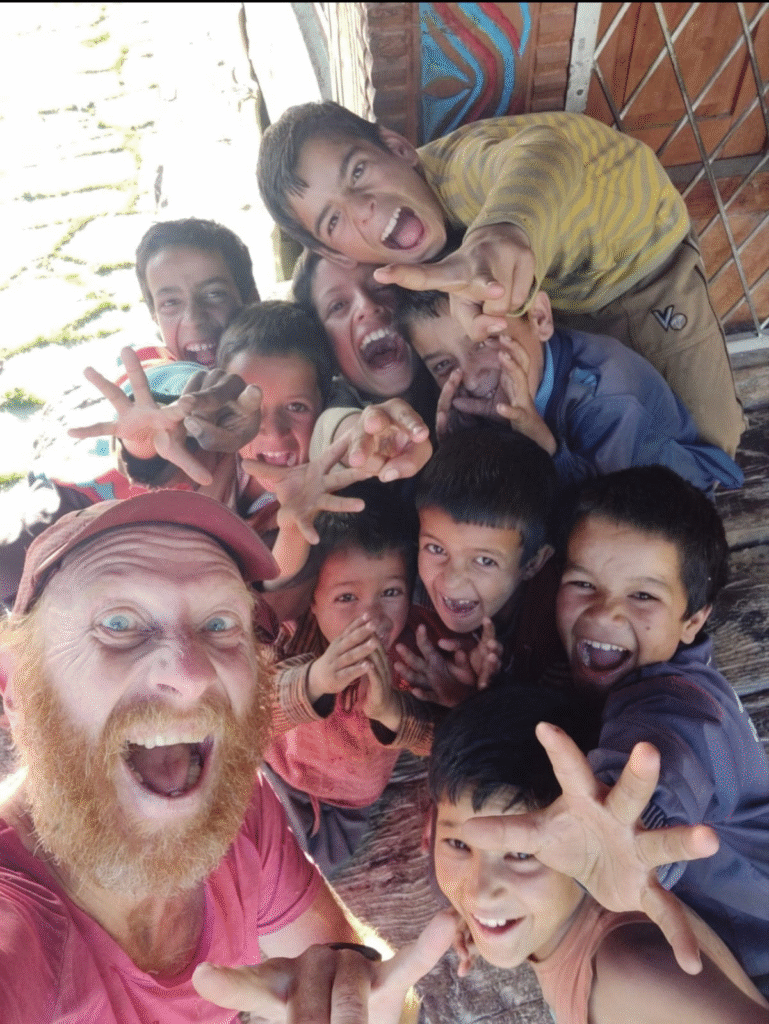
Traveling is both about discovering the world as well as discovering yourself. You can only see the true character of someone when you take him/her out of his/her comfort zone. You can only understand yourself once the uncertain road ahead throws unexpected challenges at you.I have traveled for a decade since I quit my job but still feel I have seen so little of this beautiful world and the remaining 25 summers I have left might be insufficient to see all. You never get tired of traveling, there are always new exciting things waiting for you around the next turn. We are not really searching for a destination, the journey is always larger than the destination. The most interesting human beings I know are those I met on the road during my travels. It’s not about counting places or miles, it’s about collecting memories. As per my tag line – die with memories, not dreams.
• Do you think humans are becoming disconnected from the very things that make us human?
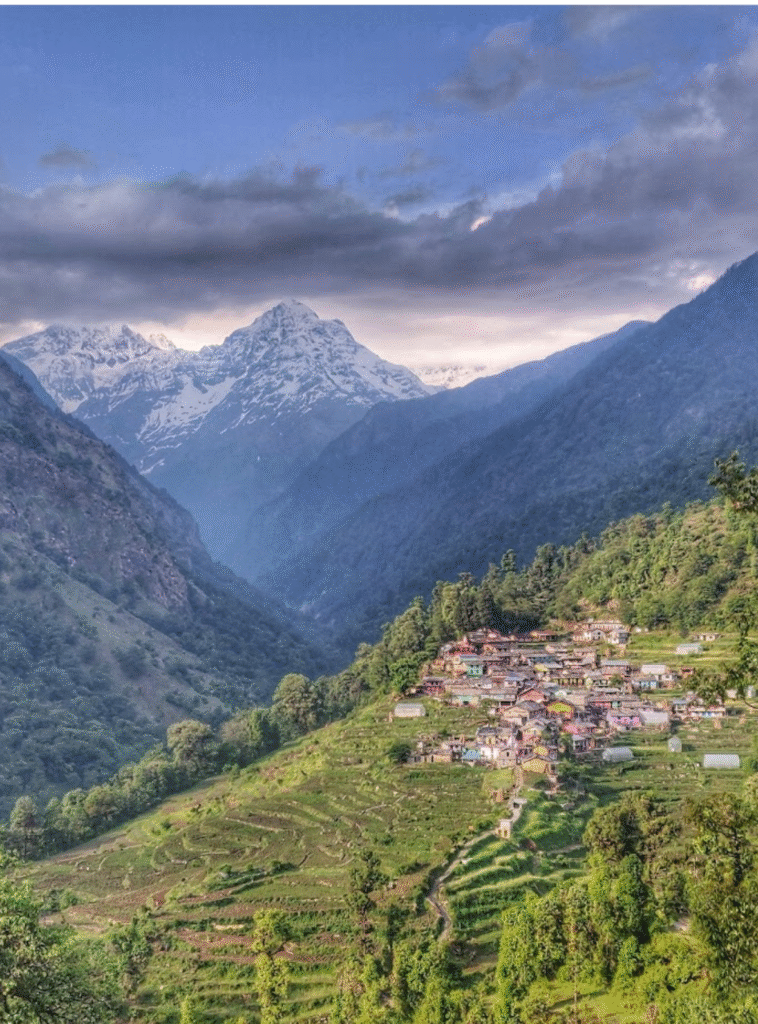
Modern societies run on unsustainable growth. Countries compete on GDP. We are consuming the planet. melting its glaciers, polluting its rivers, destroying biodiversity, building AI robots. We can only thrive if we take care of our environment we live in. The Himalayan communities I pass on my journeys are the closest to sustainable living. The big metropolitan cities consume your soul and pollute the planet. Somewhere in between both we lose our humanity in pursuit of personal greed.
• What does freedom mean to you?
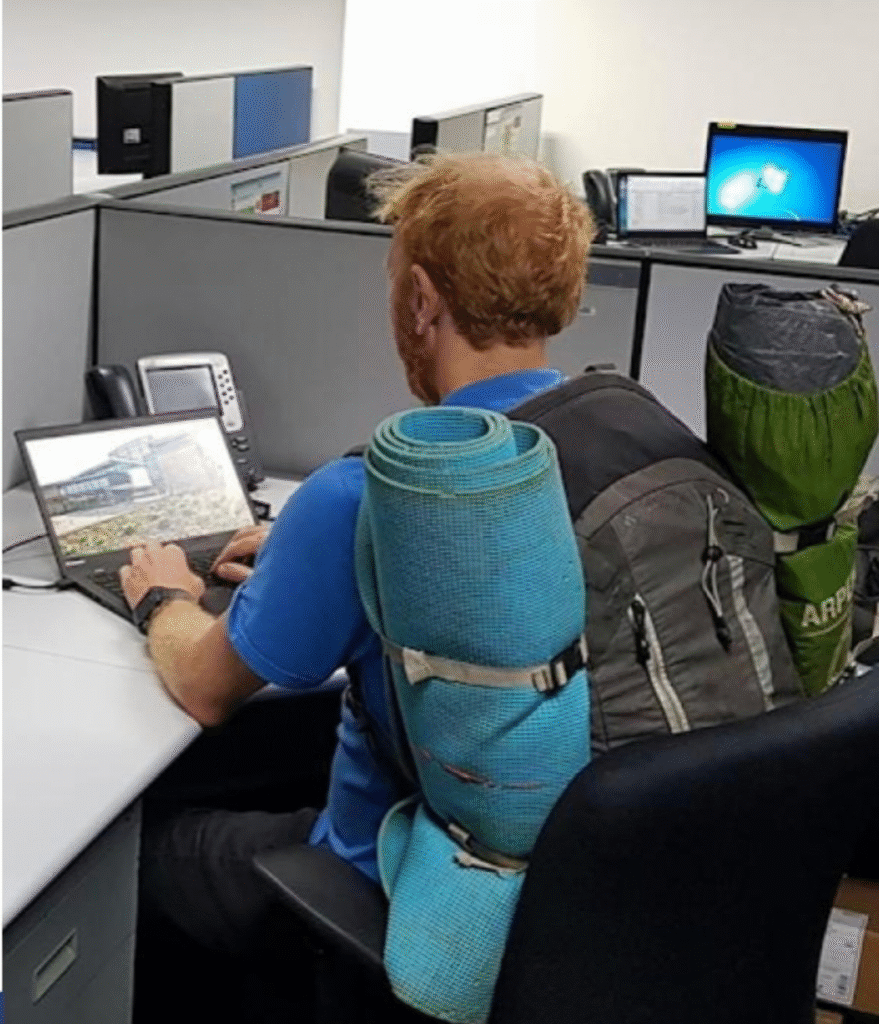
Freedom is the most fundamental right for any living being. Unfortunately humans are no longer born freely. They are plugged into the economy at birth, study 20 years of your life, work 40 years and get a heart attack or diabetes when you are old. I really feel sad for people who are locked in their cubicles their entire lives, working on the factory floor, repetitive mind killing jobs, it’s like animals inside a zoo. The world is almost inhuman how we use people as machines to run the ever consuming economy. The most important day of my life is when I overcame my fear of losing my monthly paycheck and stepping out of my life of comfort that was holding me imprisoned. You have no idea how it feels to be a free (wo)man who can travel the mountains with a small backpack or cycle across continents chasing unseen horizons, sleeping beneath the stars, swimming in rivers and lakes, meeting amazing human beings, witnessing beautiful nature, living outside your comfort zone, facing and overcoming unexpected challenges. Freedom is fundamental to happiness.
• If you had to define a meaningful life today, what would that definition be?
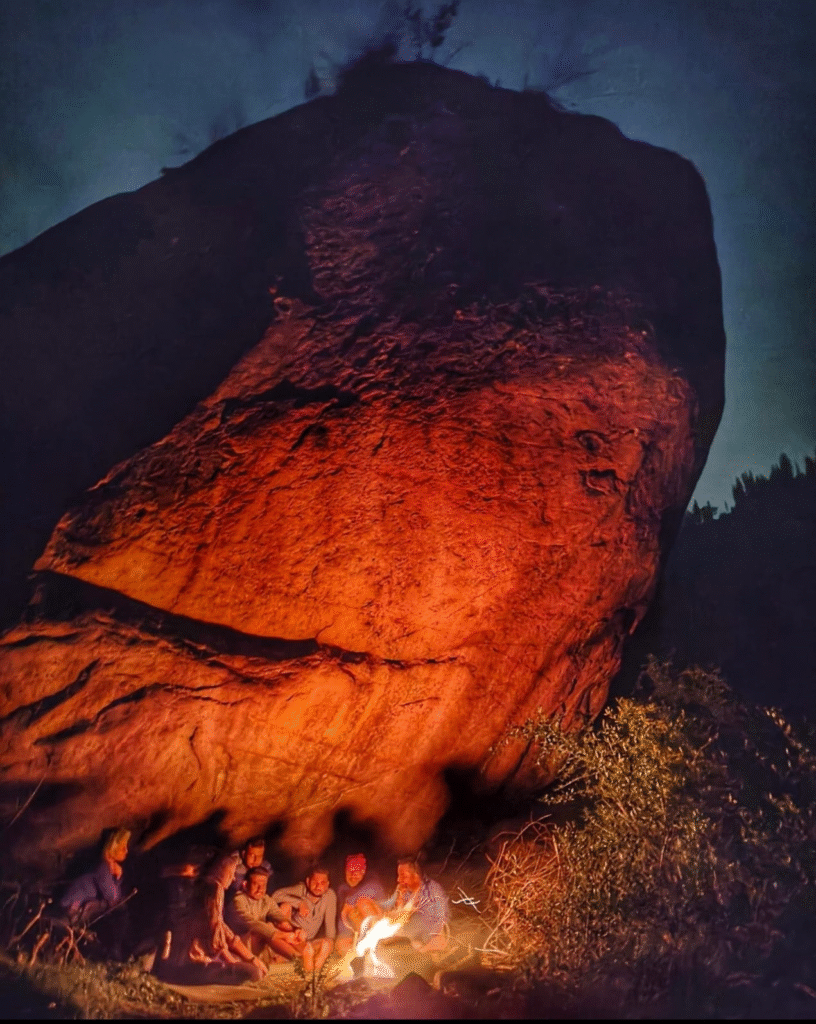
Quit scrolling in a virtual world. Be active, live close to nature. Live outside your comfort zone. Travel as much as you can. Collect memories. Experience different cultures. Widen your mind. Meet other amazing people who traveled the world. Stop consuming. Stop competing. Say no to comfort which kills you. Live in communities where we take care of each other. Be kind and respectful to others. Volunteer. Go on a long solo journey in the mountains to find yourself. Be homeless. Live on the road.
PART 9 — Advice to the Young Generation
• A lot of young people today feel trapped between what they want to do and what society expects them to do. What would you tell someone who wants to take a completely different path?
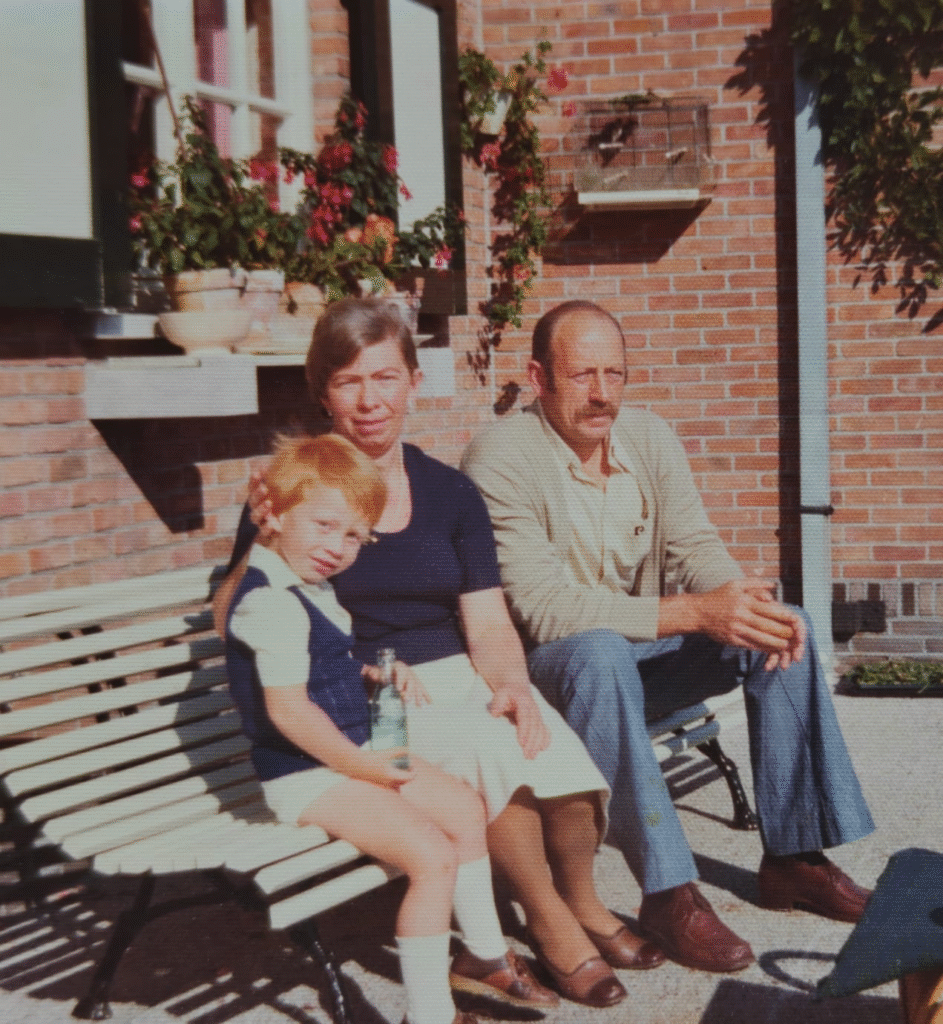
I had a wonderful childhood getting dirty in the outdoors/nature. I studied hard and worked hard for two decades to build a financial base. I switched to a simple lifestyle and went on long solo journeys in the mountains. Started traveling the world on cycle. Document your journeys and inspire the world (blog, youtube, Insta). Build a network. Learn a skill. Work remotely or teach others. I would rather die with memories and little money then grow old with dreams and lots of wealth. Comfort kills you.
• Should a young person first build financial security and then pursue their dreams, or should they take the risk while they’re young?
I suggest people study hard and take a break after college before joining a company to travel and see a bit of the world. They might find themselves while traveling unseen places and figure out what they want to do with the rest of their life. Don’t get stuck forever in a cubicle. It will never let you go. Don’t get stuck chasing money and things, it will not make you happy. You will regret it once you are too old to see the world.
• If someone watching this has never gone on a trek, never travelled alone and is afraid of stepping outside their comfort zone, where should they begin?
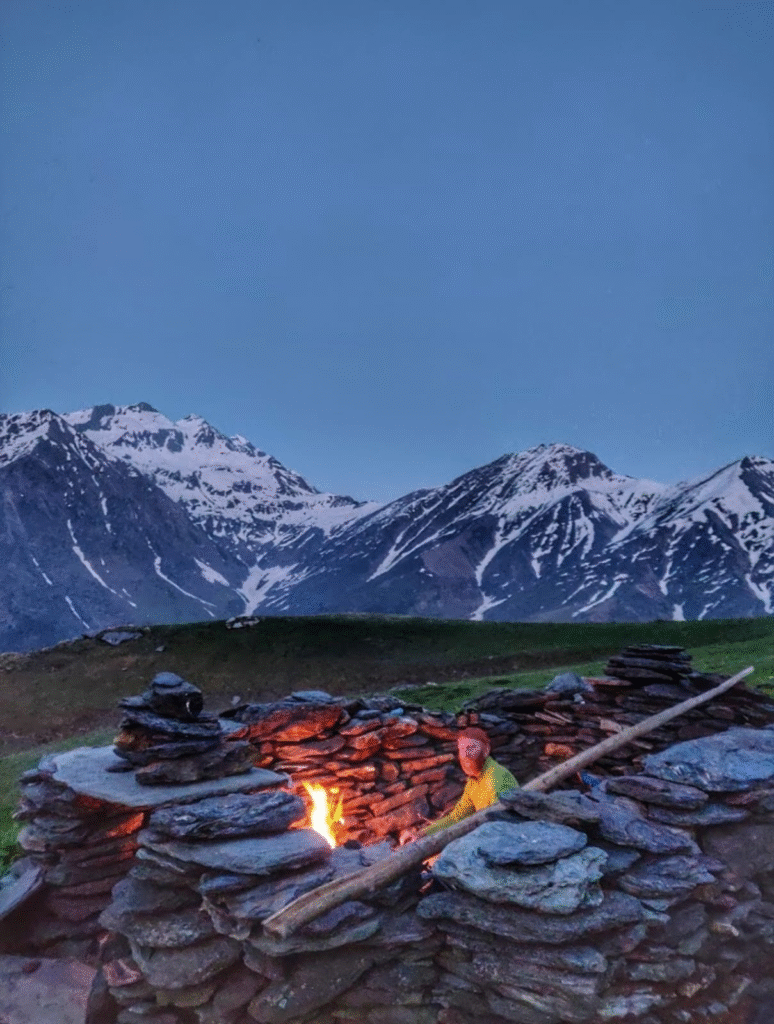
Read my blog – ultrajourneys.org. It has everything to get started outdoors. I also teach a (paid) one week bootcamp in the mountains where I share my experience and teach you how to travel the world. Read my insta feed @petervangeit to see beautiful Himalayan places and human beings that you will fall in love with and return to every year. Your mind is full of blocks that tell you to stay in your comfort zone, stay inside the city, do not venture out in the wild, do not go out alone. It is high time that you break through these mind blocks and start living life and seeing the beautiful world around you.
PART 10 — Rapid Fire
• One place in India everyone should experience once?
The Himalayas
• One thing every young person should learn before turning 25?
Travel alone
• One thing modern society has too much of?
Comfort
• One thing modern society doesn’t have enough of?
Humanity
• Mountains or ocean?
Mountains
• Comfort or adventure?
Adventure
• Money or time?
Time and freedom
• One misconception about trekking?
Don’t be afraid of animals
• One misconception about minimalism?
Minimalism is not being poor, it’s being simple
• One fear you’ve overcome?
Sleeping alone in the wilderness
• One thing you still fear?
Steep cliffs
• One journey you would repeat?
Pir Panjal
• One journey you would never repeat?
Any journey in the wrong season
And finally:
Your motto is “Die with memories, not dreams.” After everything you’ve experienced, what does that sentence mean to you today?
Life is short and the world is beautiful. Don’t let both slip away…