
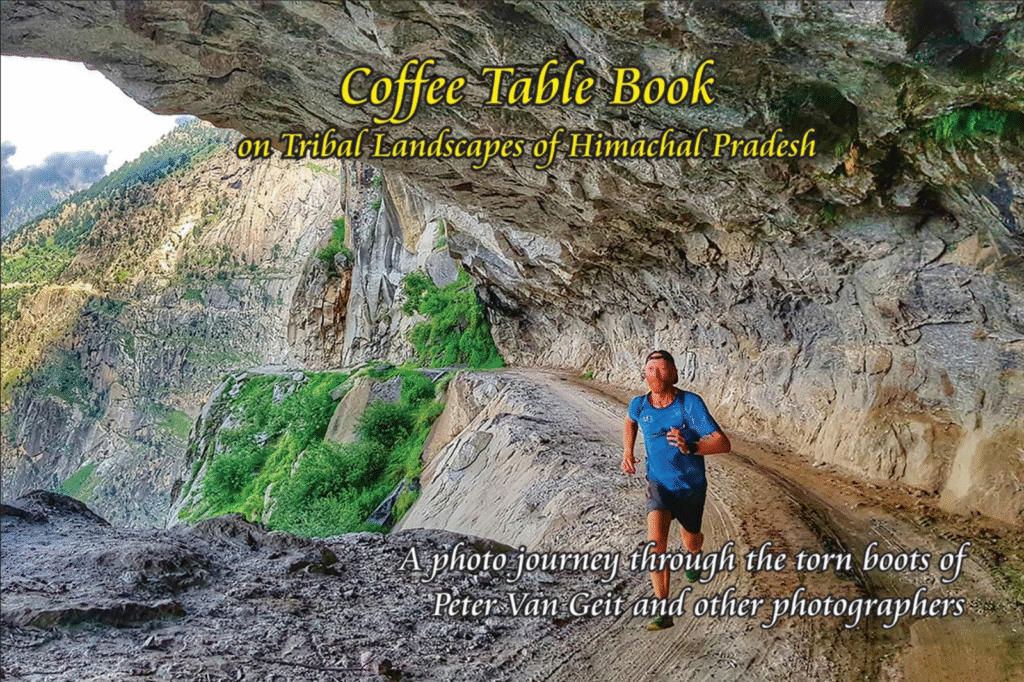
I am thankful to the ministry of tribal affairs, Government of India and Department of Tribal Development, Government of Himachal Pradesh for funding this vibrant coffee table book project to showcase the less explored landscape of Tribal Himachal which occupies about 41% area of whole state. This book intends to show rarely seen places, high altitude passes, magnificent valleys and crystal clear wild streams of Bharmour, Pangi, Lahul, Spiti and Kinnaur.
While planning the layout of this project, it was fortunate enough to meet Mr. Peter Van Geit during Mountain Film Festival in Delhi, organized by Indian Mountaineering Foundation, Here, a short film on the Trans Himalayan journeys of Peter Van Geit named “High Himalayas” was featured and later it bagged the best Mountain Exploration Movie Award. This was the point to approach Peter to collaborate with Institute of Tribal
Studies by contributing his photographs of Tribal Himachal for this coffee table book.
“My name is Peter Van Geit and | am an ultra runner”- this is how he introduces himself very humbly but one needs deep interest and connection with the Himalaya to discover his passion, energy and contribution to the wild, tribes and tourism. Peter belongs to Belgium but he is in India since 1998 caught up with the childhood dreams of living in the mountains. He crossed 40 high mountain passes of Himachal Pradesh in 75 days last year in 2018
It was alpine styled, self navigated expedition with minimal gears; where he ran through dense forests, alpine meadows, frosty moraines, glaciers, snow and wild streams in extreme climate near passes. He lived in shelters with shepherds and mountain tribes, experienced heartwarming hospitality in remote villages and indulged in lip smacking local cuisine during his extra ordinary journey.
In this coffee table photo journey book we tried to chase his route through his captured memories so the viewers can value veiled and concealed treasure of Tribal Himachal. Simultanously we have borrowed some nice images from the local residents & photographers like Amit Vakil, Mangal Chand Manepa, Aaditya Parsheera, Rohan Bodh and Munish Bharat who belong to Chamba, Lahaul Spiti and Kinnaur districts of Tribal
Himachal.
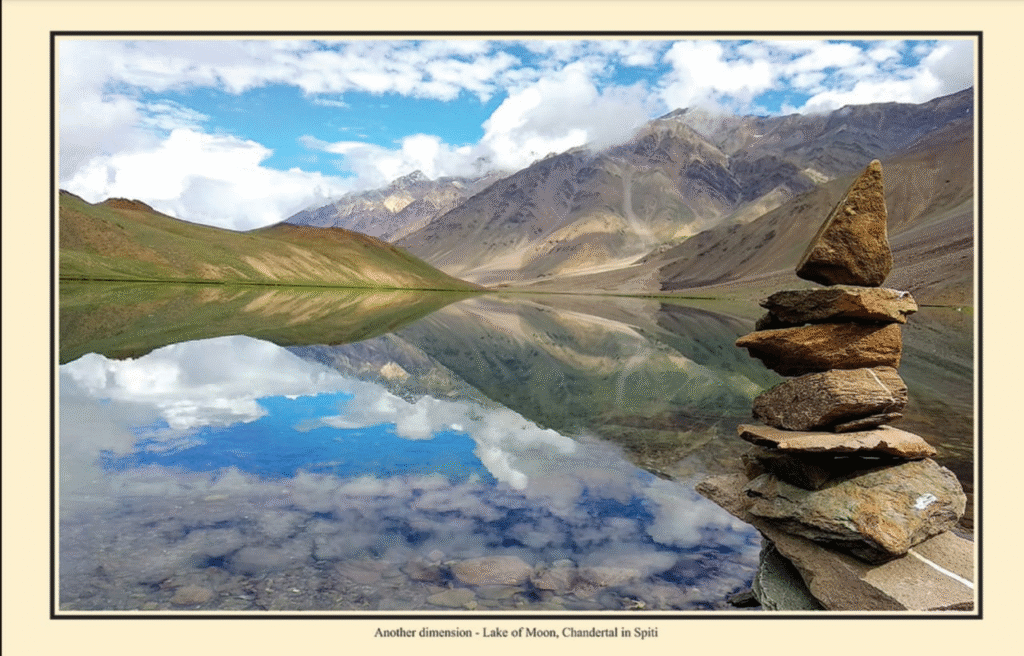
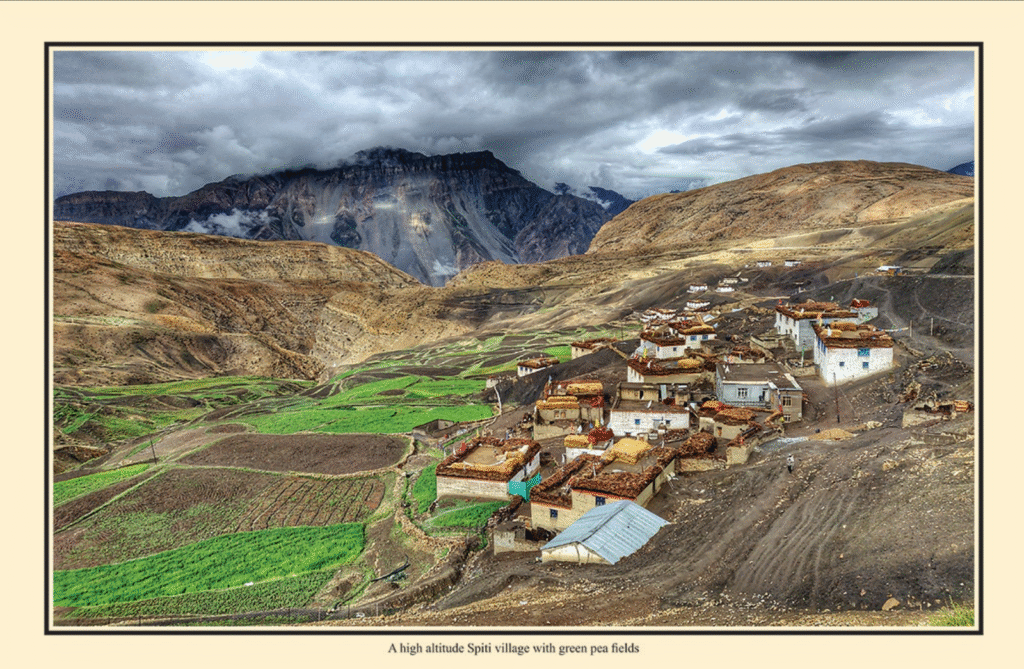
This coffee table book takes you to the barren high altitude deserts of Spiti through Hamta Pass of Kullu and explores many villages and monasteries in Spiti valley. The unusual textures and gradients of this barren landscape above the main Spiti valley form a stark contrast with the small green fertile patches around these small Buddhist settlements. One can reach the beautiful lake of Chandertal on the way and enjoy unworried time with shepherds before he moves into the Tsarap Chu gorge and later enters into Zanskar region or gets down to Spiti valley. There are few options to get into Lahul valley from Zanskar through Phirtse La pass route and crossing confluence of Yunam and Lingti Chu.
Yunam is the third river originates from the same point of Baralacha Massif from where popular rivers Chandra and Bhaga originate and form Chenab. From Lahaul, one can continue to Pangi Valley exploring Kilar, Hudan, Sural and Saichu areas. Mountains are
always not easy and welcoming still a courageous move can take you to Miyar Valley of Lahaul after crossing Saichu Pass of Pangi. This coffee table book systematically takes you to Udaipur from Miyar valley and then trek to Manimahesh and Bharmour through Kugti Pass. This is evident that Shepherds are the primary occupants of these high mountains in Himachal Pradesh as after every minor distance the temporary huts, flock of sheep and shepherds are found struggling with extreme and unfriendly nature,
This coffee table book displays few images of Kangla Glacier which is one of the longest glaciers in Miyar valley connecting Zanskar. Similarly we see the bottom lane of Bara Shigri Glacier too in certain images while driving from Chatru to Batal and surcly the mighty CB ranges in the background while climbing up Kunzam Pass.
The photo journey finally takes us to Kinnaur to explore few most scenic spots of this tribal district along with its ancient temples, forts and monasteries. Sangla Valley of Kinnaur is extremely scenic and the Rupin Pass acts as gateway to neighboring districts as well as state of Uttrakhand. It is not possible to display entire Tribal Himachal through around one hundred images but the project had its administrative limitations: certainly we will get back to the readers and viewers next time with some more images to showcase life and landscape of Tribal Himachal.
Prof. (Dr.) Chander Mohan Parsheera
Spiti
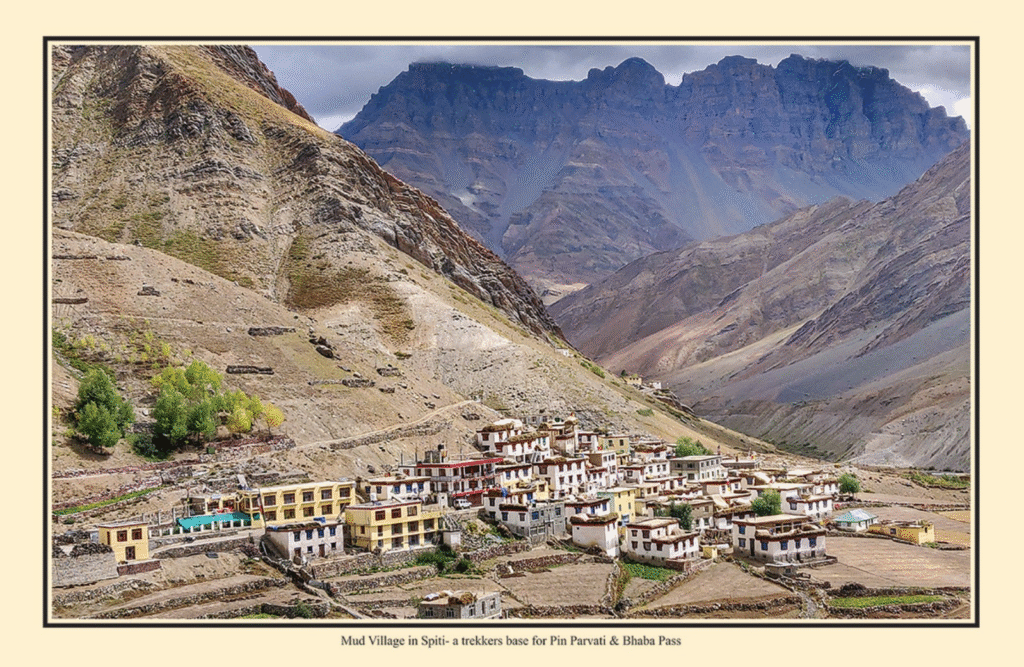
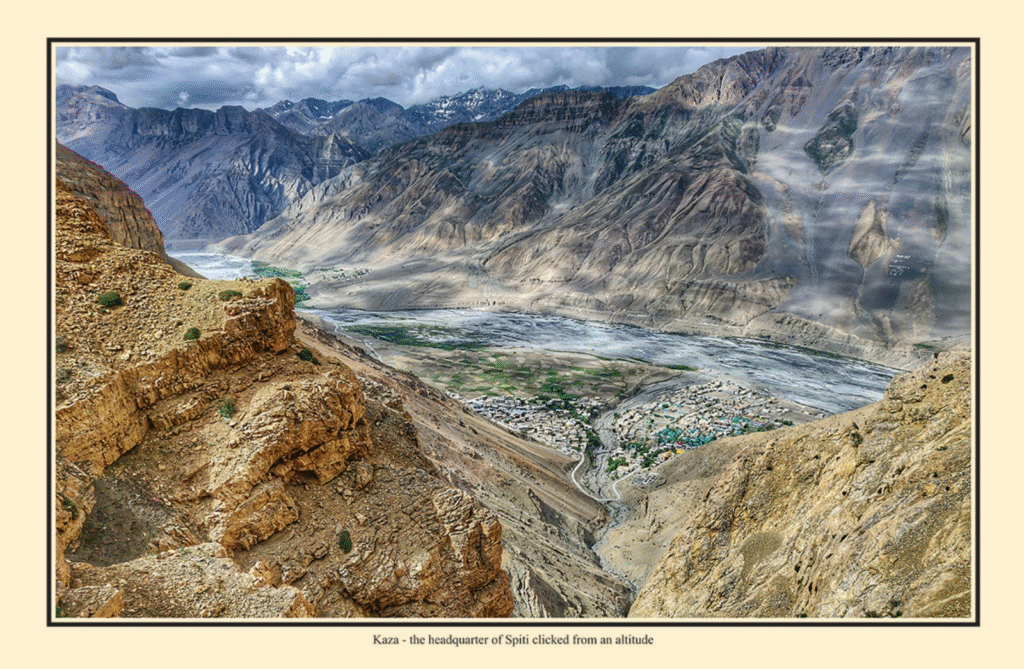
Separated from fertile Lahaul by the soaring 4551m Kunzam Pass, the Trans-Himalayan region of Spiti is often known as “The Middle Land”, means the land between Tibet and India. The scattered villages in this serrated moonscape arrive like mirages while the turquoise-grey ribbon of the Spiti River is your near-constant companion, albeit sometimes way below in precipitous gorges.
The East India Company took over the possession of Spiti in the year 1846 after the cessation of Cis-Satluj States as a result of the Anglo-Sikh War. Because of its remoteness and poverty of natural resources, the British following the example of the Ladakhi rulers, did not introduce any substantial changes in the administrative set up of the territory. The Nono of Kyuling was recognized as the hereditary Wizier of Spiti (re-affirmed by the Spiti Frontier Regulations of 1883) and was supposed to represent the British India Government. He collected the land revenue for the Government, his judicial jurisdiction included trial of all criminal cases, except cases of murder; and he performed all functions and enjoyed all necessary powers for the fulfillment of his tasks and duties, as laid down in the regulations of 1883.In 1941, Spiti, with Lahaul, was constituted into a separate sub-Tehsil of Kullu sub-division which had its headquarters at Keylong. Later on, after the formation of Lahaul & Spiti into a district, in 1960, Spiti was formed into a sub-division with it’s headquarter at Kaza.
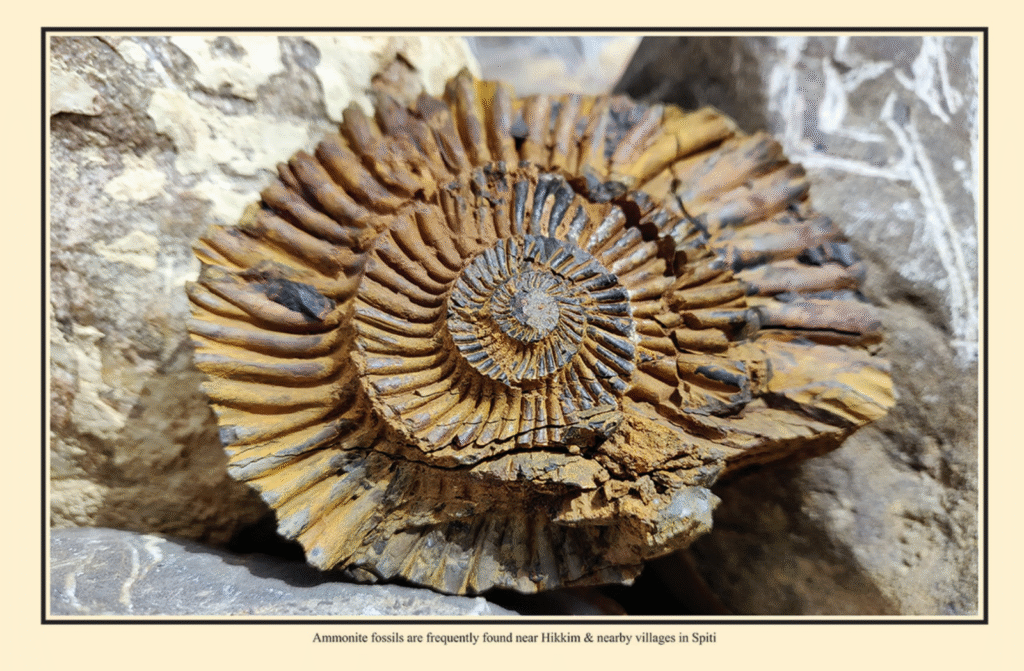
It is a remote, high altitude, cold desert region of sheer cliffs and barren slopes, of plunging gorges and towering ridges, which expose layer after layer of ancient twisted rock, thrust from the depths of the ocean to form the roof of the world.
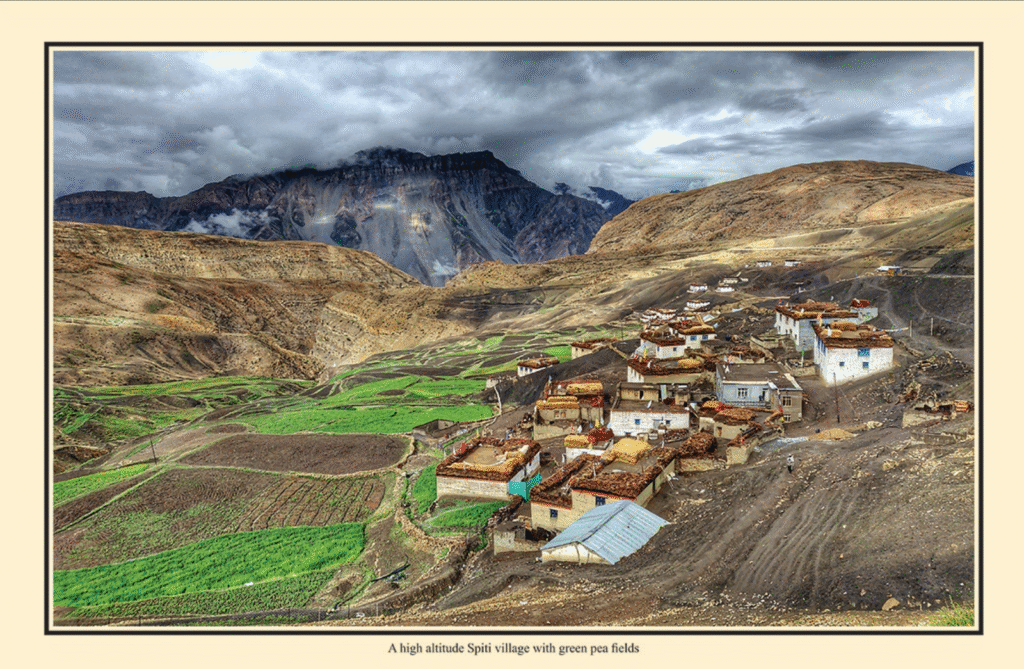
The approximately ten thousand inhabitants live in tiny villages scattered like the beads of a broken rosary across the rugged landscape. Dried yak dung remains the main source of fuel for cooking and for heating the mud houses, even though the temperature dips to -35°C in the depths of winter. It is assiduously collected from the grazing grounds all through the summer and autumn.
The great translator of the Buddha’s “Perfection of Wisdom Sutras’ from Sanskrit into Tibetan, Rinchen Zangpo, visited Spiti Valley a little over a thousand years ago. His residence at Kee Monastery in the valley marks the awakening of the intellectual life of the Spiti people and the beginning of their known culture. There arc other monasteries which are near to one thousand years old and above like Tabo Monastery, Kungri Monastery, Lalung Monastery and Dankhar Monastery cte. to visit and understand Buddhism.
See the coffee book over here.